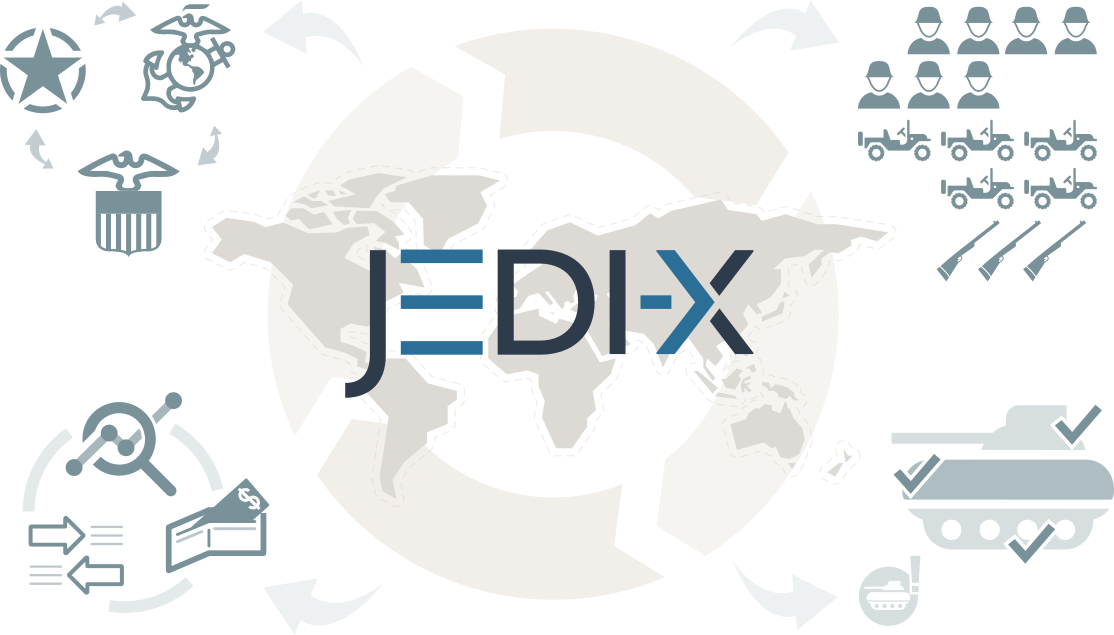
Data integration across nations, services, and commercial partners. Two products, one job: get logistics data out of the systems it's trapped in and into a shared picture everyone can use, whether or not they run LOGFAS themselves.
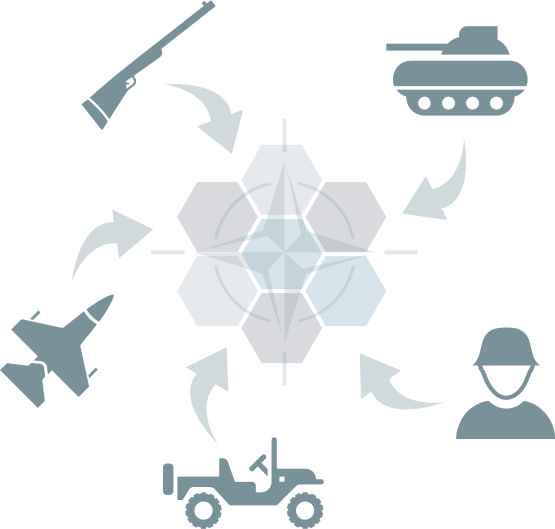
Movement, transportation, and logistics data from any source — national defense systems, allied forces, commercial partners, legacy platforms — translated into a single format, automatically.
JEDI-X sits between systems that were never built to talk to each other and translates every feed in the background. Source organizations keep their own systems and workflows — nothing to install, nothing to change.
It handles complex data transactions spanning multiple national and commercial systems at once — no need for everyone to agree on a shared standard first.
Output is reviewed by NATO's own Communications and Information Agency (NCIA), which develops and maintains LOGFAS — so the quality bar isn't just internal, it's independently checked.
Built to extend well beyond them — the same aggregation model applies whether the next partner is a NATO ally, a new service branch, or a commercial supply chain provider.
No LOGFAS to own, run, or train on — Team JEDI structures your data in a LOGFAS-compatible format on your behalf. An allied nation, a commercial supply chain partner, or a legacy system that has never touched NATO infrastructure feeds into, and draws from, the exact same shared picture as everyone else. The model doesn't care whether the data source wears a uniform.
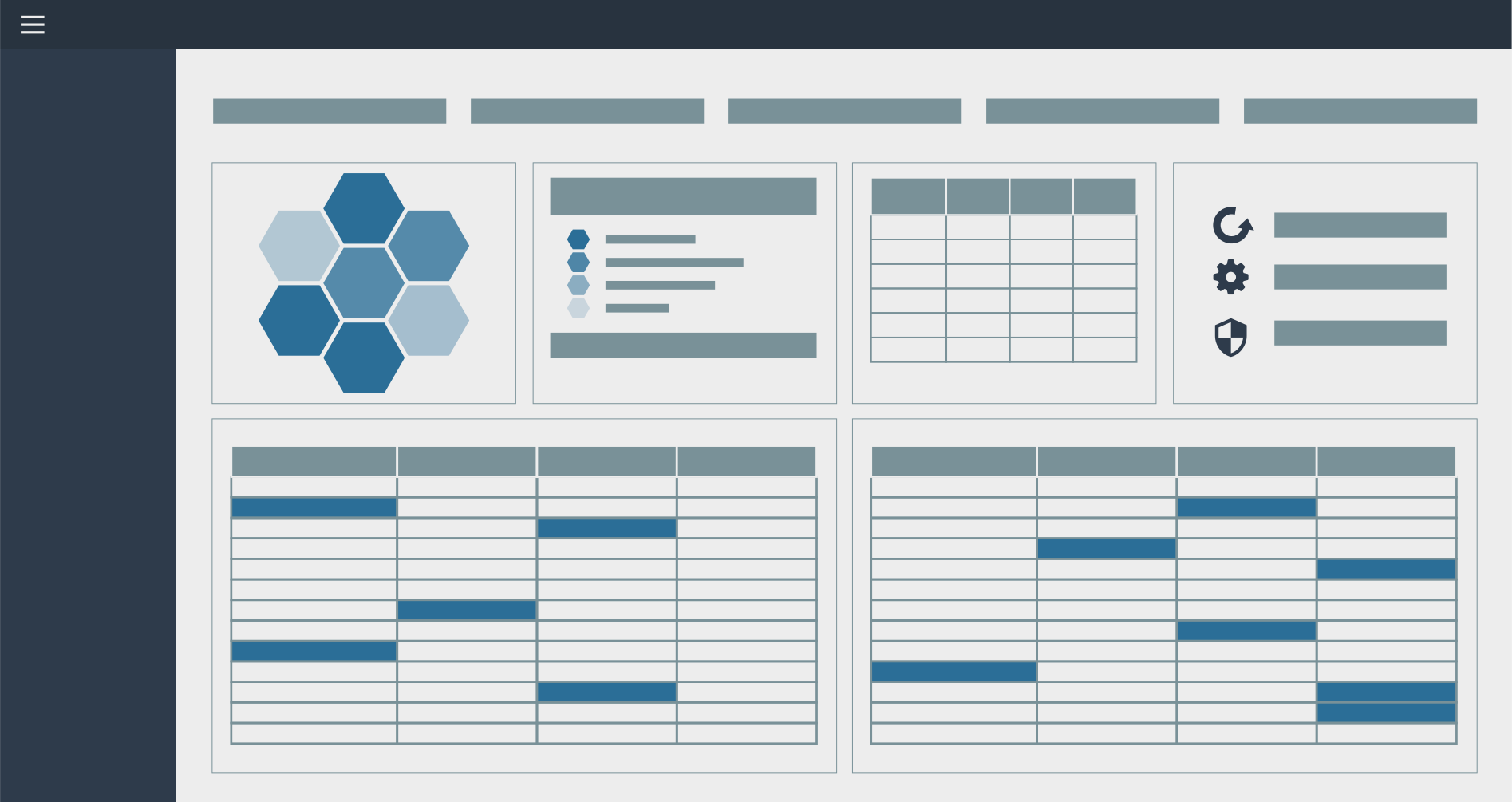
A single, identical logistics common operational picture built from LOGFAS-structured data — shared across every command, every nation, and every commercial partner in the mix.
Staff officers can brief directly from the dashboard, and decision makers can use it to perform analyses or support decisions. Graphics can be captured for reuse in external documents and slides.
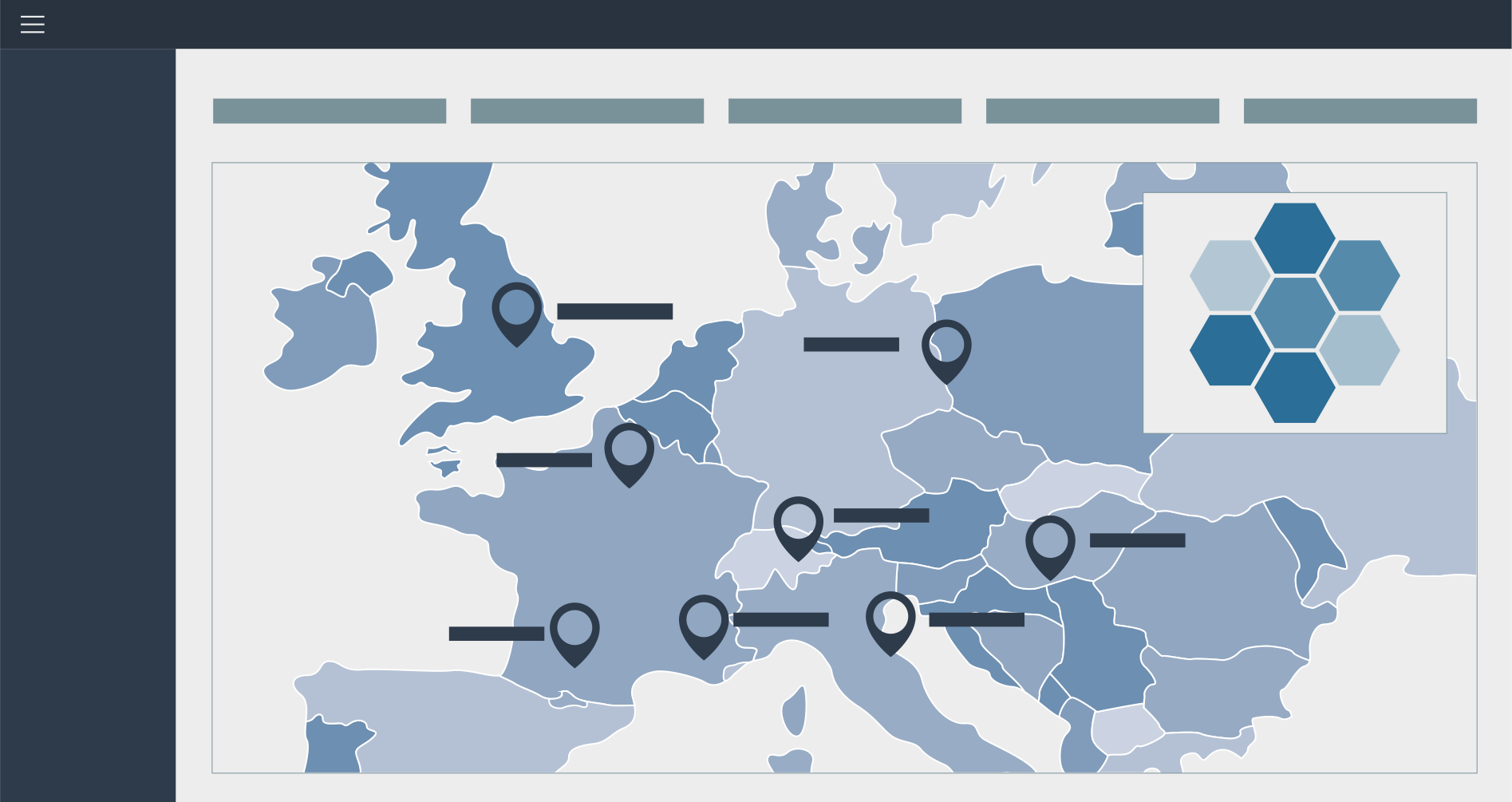
Decision makers can leverage the map to evaluate supply levels of nearby forces during sustainment — giving the whole coalition visibility of the multinational resources already in the operations area, instead of moving redundant stock in from outside it.
A staff officer, a decision maker, and a logistics planner can all look at the same underlying data through a view built for what they actually need to see. Already compatible with 30+ NATO members and partner nations running LOGFAS natively.
It also removes the manual data processing that used to happen during and after an operation just to get everyone looking at the same numbers.
Useful for after-action reviews, trend analysis, or just proving what the picture actually looked like at a given point in time.
See how these two systems actually work together, day to day.
See how it works →